

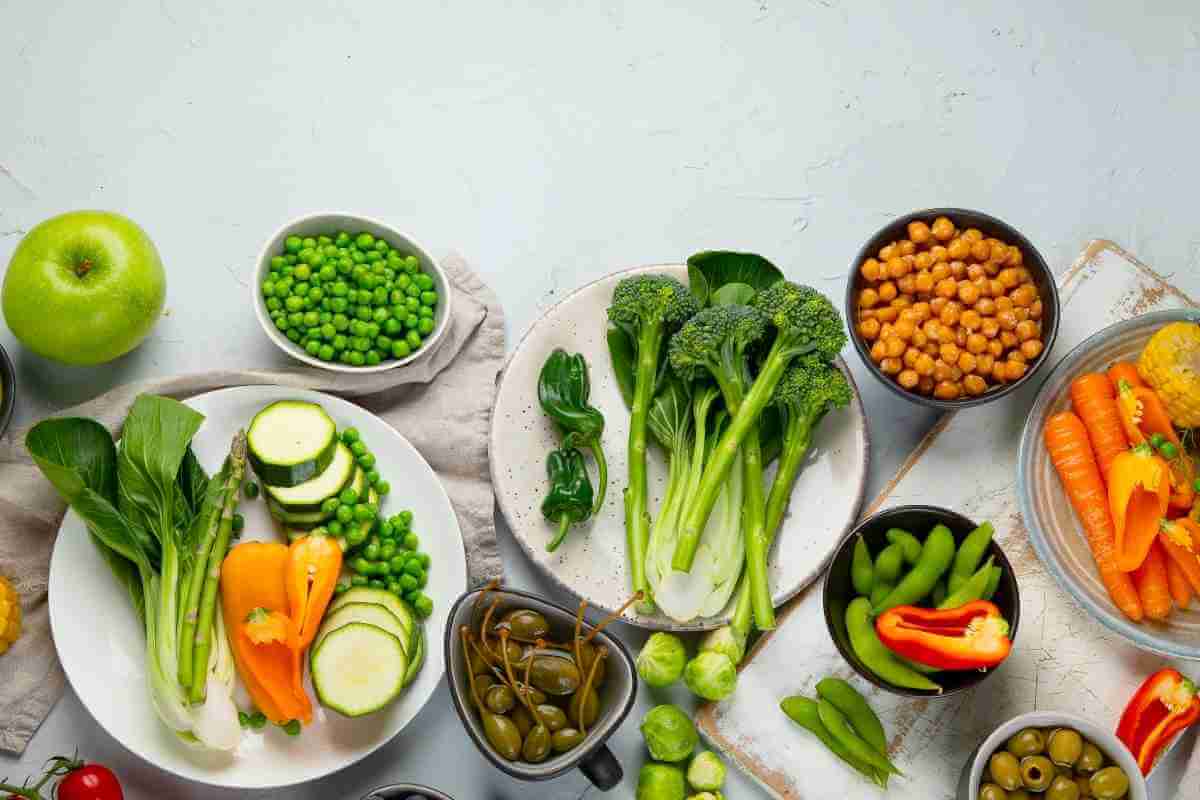
Healthy Eating for Busy Americans can be a challenge in today’s fast-paced world. With work deadlines, family responsibilities, commuting, and social commitments, many find it difficult to carve out time for nutritious meal preparation. As a result, fast food, processed snacks, and convenience meals often become the default options.
However, the good news is that healthy eating doesn’t have to be complicated, expensive, or time-consuming. By making small adjustments to daily habits, significant improvements in overall health, energy levels, and well-being can be achieved.
This beginner-friendly guide will provide practical and realistic strategies for Healthy Eating for Busy Americans, even amidst a hectic schedule.
Why Healthy Eating Matters
Healthy eating provides your body with the nutrients it needs to function properly. Good nutrition supports physical health, mental performance, immunity, and long-term disease prevention.
Benefits of healthy eating include:
- Increased energy levels
- Better concentration and productivity
- Improved digestion
- Stronger immune system
- Healthy weight management
- Reduced risk of heart disease and diabetes
- Better mood and mental health
Even simple dietary improvements can make a noticeable difference in how you feel every day.
Understanding the Basics of Healthy Nutrition
Before making changes to your diet, it’s important to understand the basics of nutrition.
A balanced diet typically includes:
- Lean proteins
- Whole grains
- Fruits
- Vegetables
- Healthy fats
- Adequate water
The goal is not perfection. Instead, focus on creating balanced meals that provide a variety of nutrients.
Protein Sources
Protein helps build muscles and keeps you feeling full longer.
Examples include:
- Chicken
- Turkey
- Fish
- Eggs
- Greek yogurt
- Beans
- Lentils
- Tofu
Healthy Carbohydrates
Carbohydrates provide energy for daily activities.
Choose:
- Brown rice
- Oatmeal
- Whole wheat bread
- Sweet potatoes
- Quinoa
Healthy Fats
Healthy fats support brain function and heart health.
Good sources include:
- Avocados
- Nuts
- Seeds
- Olive oil
- Fatty fish
Plan Your Meals Ahead of Time
Meal planning is one of the most effective ways to eat healthier when you’re busy.
Taking 30 minutes each week to plan meals can help you:
- Save time
- Reduce stress
- Avoid unhealthy food choices
- Lower grocery costs
Start by planning:
- Breakfasts
- Lunches
- Dinners
- Healthy snacks
Keep meals simple and repeat favorites throughout the week.
Simple Weekly Meal Planning Tips
- Choose 2-3 breakfast options.
- Pick 3-4 lunch ideas.
- Plan 4-5 dinner recipes.
- Prepare a grocery list.
- Shop once per week.
Consistency is more important than variety when you’re starting out.
Build a Smart Grocery Shopping Strategy
Healthy eating starts at the grocery store.
If unhealthy foods aren’t in your kitchen, you’re less likely to eat them.
Healthy Grocery List Essentials
Proteins
- Chicken breast
- Eggs
- Tuna
- Greek yogurt
Vegetables
- Spinach
- Broccoli
- Carrots
- Bell peppers
Fruits
- Apples
- Bananas
- Berries
- Oranges
Whole Grains
- Brown rice
- Oats
- Whole wheat bread
Healthy Snacks
- Almonds
- Mixed nuts
- Hummus
- Fruit cups
Shopping with a list helps prevent impulse purchases and keeps your budget under control.
Learn the Art of Meal Prepping
Meal preparation can save hours during busy weekdays.
Preparing food in advance means you’ll always have healthy options available when hunger strikes.
Easy Meal Prep Ideas
- Cook chicken in bulk.
- Wash and chop vegetables.
- Prepare overnight oats.
- Portion healthy snacks.
- Cook rice and quinoa ahead of time.
Even preparing ingredients instead of full meals can make healthy cooking much easier.
Choose Healthy Breakfast Options
Breakfast sets the tone for your day.
Skipping breakfast often leads to overeating later and poor food choices.
Healthy breakfast ideas include:
- Oatmeal with berries
- Greek yogurt with nuts
- Whole grain toast with avocado
- Egg and vegetable omelet
- Smoothie with protein and fruit
Quick 5-Minute Breakfast Ideas
When time is limited, try:
- Banana and peanut butter
- Protein shake
- Yogurt and granola
- Hard-boiled eggs
- Overnight oats
A nutritious breakfast can improve focus, energy, and productivity throughout the morning.
Make Better Choices When Eating Out
Busy Americans often eat at restaurants or fast-food locations or order takeout.
Healthy eating doesn’t mean avoiding restaurants entirely.
Instead, make smarter choices.
Tips include:
- Choose grilled instead of fried foods.
- Order vegetables as side dishes.
- Select water instead of sugary drinks.
- Watch portion sizes.
- Skip extra sauces and dressings.
Most restaurants now offer healthier menu options if you take a moment to look for them.
Stay Hydrated Throughout the Day
Water plays a crucial role in overall health.
Many people mistake thirst for hunger and consume unnecessary calories.
Benefits of drinking enough water include:
- Better digestion
- Increased energy
- Improved skin health
- Better focus
- Reduced cravings
Simple Hydration Habits
- Carry a reusable water bottle.
- Drink water before meals.
- Set hydration reminders.
- Add lemon or fruit for flavor.
Aim for consistent water intake throughout the day.
Avoid Common Healthy Eating Mistakes
Many beginners unknowingly make mistakes that can slow progress.
Common mistakes include:
- Skipping meals
- Following extreme diets
- Eliminating entire food groups
- Eating too many “healthy” snacks
- Ignoring portion sizes
Healthy eating should be sustainable and realistic.
Focus on long-term habits rather than short-term restrictions.
Healthy Snacking for Busy Schedules
Snacking can be part of a healthy lifestyle when done correctly.
The key is choosing nutrient-dense options.
Healthy snack ideas:
- Apple slices with peanut butter
- Greek yogurt
- Mixed nuts
- Cottage cheese
- Protein bars
- Fresh fruit
- Hummus and vegetables
Keeping healthy snacks available helps prevent unhealthy cravings and overeating.
Best Portable Healthy Snacks
For work, travel, or commuting:
- Trail mix
- Protein bars
- Roasted chickpeas
- String cheese
- Fresh fruit
Convenient healthy snacks make it easier to stay on track.
Create Healthy Eating Habits That Last
The most successful healthy eating plans focus on consistency rather than perfection.
Small daily improvements can produce remarkable long-term results.
Healthy habits to develop include:
- Cooking at home more often
- Reading nutrition labels
- Eating slowly
- Practicing portion control
- Prioritizing fruits and vegetables
- Staying hydrated
Remember that every healthy choice matters.
You don’t need a perfect diet to improve your health.
Conclusion
Healthy eating for busy Americans doesn’t require complicated meal plans, expensive ingredients, or hours in the kitchen. By understanding nutrition basics, planning meals, shopping smart, staying hydrated, and building sustainable habits, anyone can create a healthier lifestyle.
Start with one small change today. Whether it’s drinking more water, meal prepping for the week, or adding an extra serving of vegetables to your meals, every step brings you closer to better health.
Consistency beats perfection every time. Focus on progress, and healthy eating will become a natural part of your everyday routine.
Frequently Asked Questions (FAQs)
1. What is the easiest way to start eating healthy?
Start by adding more fruits, vegetables, and water to your daily routine while reducing processed foods.
2. How can busy people eat healthy on a budget?
Plan meals, buy groceries with a list, cook at home, and purchase foods in bulk whenever possible.
3. Is meal prepping necessary for healthy eating?
No, but meal prepping can save time and make healthy choices easier during busy days.
4. What are the healthiest breakfast options?
Oatmeal, eggs, Greek yogurt, smoothies, and whole-grain toast are excellent choices.
5. How much water should I drink daily?
Most adults should aim for consistent hydration throughout the day, adjusting based on activity level and climate.
6. Can I eat healthy while dining out?
Yes. Choose grilled foods, vegetables, and lean proteins, and avoid oversized portions.
7. Are snacks bad for weight loss?
Not necessarily. Healthy snacks can reduce hunger and help prevent overeating.
8. What foods should beginners avoid?
Limit sugary drinks, processed snacks, fast food, and foods high in added sugars.
9. How long does it take to build healthy eating habits?
Many people begin noticing positive changes within a few weeks of consistent healthy choices.
10. What is the most important healthy eating habit?
Consistency. Small sustainable improvements often lead to the best long-term results.
