

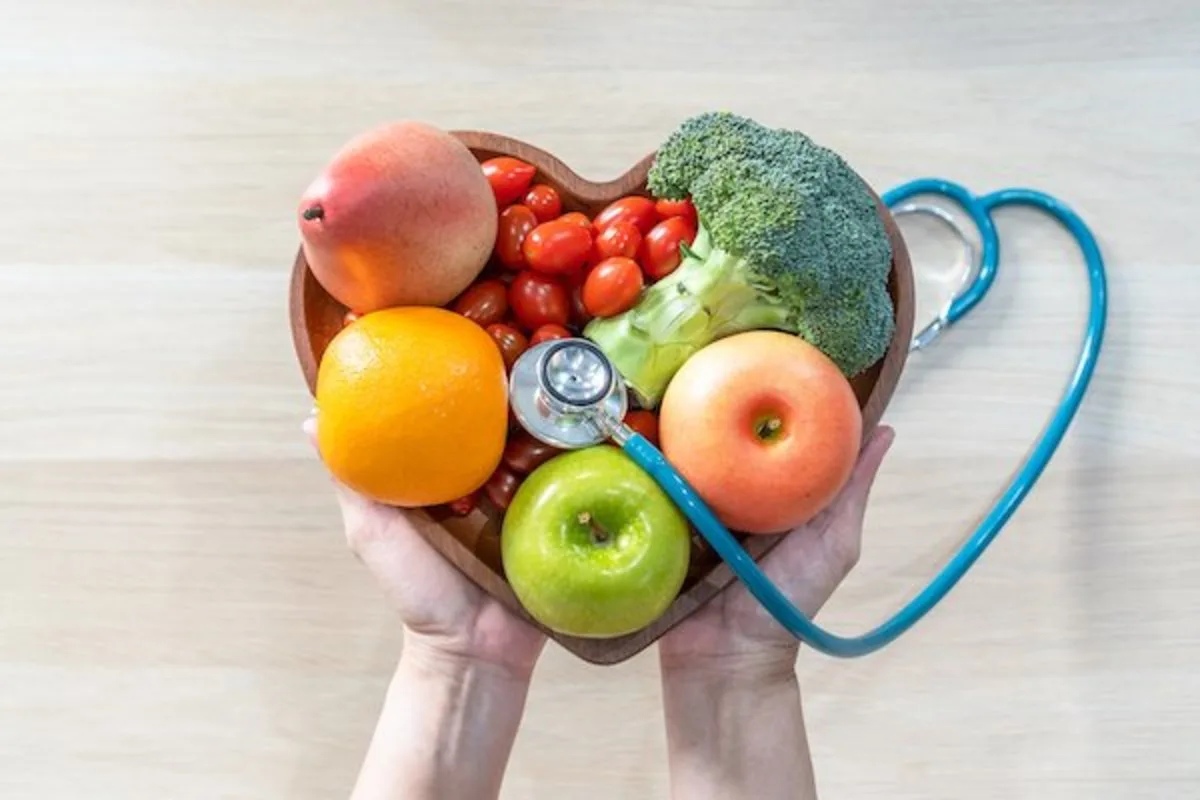
Heart disease remains one of the leading health concerns worldwide. The good news is that your daily food choices can have a major impact on your cardiovascular health. While genetics and lifestyle factors play a role, a healthy diet is one of the most powerful tools for protecting your heart.
Many people think heart-healthy eating means giving up all their favourite foods. In reality, it is about choosing nutrient-rich foods that support healthy blood pressure, cholesterol levels, and circulation. Small changes in your diet can lead to significant long-term benefits.
In this guide, we will explore the best foods for heart health, why they matter, and how you can include them in your daily meals to build a stronger cardiovascular system.
Why Nutrition Matters for Heart Health
The heart works around the clock to pump blood throughout the body. To perform efficiently, it needs the right nutrients.
A heart-healthy diet can help.
- Lower bad cholesterol (LDL)
- Increase good cholesterol (HDL)
- Reduce inflammation
- Improve blood circulation
- Maintain healthy blood pressure
- Support healthy body weight
- Reduce the risk of heart disease
Eating nutrient-dense foods consistently can significantly improve cardiovascular health over time.
Fatty Fish: The Heart’s Best Friend
Fatty fish are among the most recommended foods for heart health because they are rich in omega-3 fatty acids.
Popular options include:
- Salmon
- Sardines
- Tuna
- Mackerel
- Trout
How Omega-3 Fatty Acids Support the Heart
Omega-3s help:
- Reduce triglycerides
- Lower inflammation
- Support healthy blood vessels
- Improve heart rhythm
- Reduce the risk of cardiovascular disease
Experts often recommend eating fatty fish at least two times per week for maximum benefits.
Leafy Green Vegetables for Better Circulation
Leafy greens are packed with vitamins, minerals, antioxidants, and dietary fibre.
Some excellent choices include:
- Spinach
- Kale
- Swiss chard
- Collard greens
- Arugula
These vegetables contain nitrates that help improve blood flow and support healthy blood pressure levels.
Adding greens to salads, smoothies, soups, and side dishes is an easy way to boost heart health.
Whole Grains for Cholesterol Control
Whole grains provide fibre, vitamins, and minerals that support cardiovascular wellness.
Examples include:
- Oats
- Brown rice
- Quinoa
- Whole wheat
- Barley
Why Fiber Is Important for Heart Health
Soluble fibre helps remove excess cholesterol from the bloodstream.
Benefits include:
- Lower LDL cholesterol
- Improved digestion
- Better blood sugar control
- Increased feelings of fullness
Starting your day with oatmeal is one of the simplest ways to increase heart-friendly fibre intake.
Nuts and Seeds: Small Foods with Big Benefits
Nuts and seeds contain healthy fats, protein, fibre, and antioxidants.
Heart-healthy options include:
- Almonds
- Walnuts
- Pistachios
- Chia seeds
- Flaxseeds
Best Nuts for a Healthy Heart
Walnuts are particularly rich in omega-3 fatty acids, while almonds provide vitamin E and healthy monounsaturated fats.
A small handful daily can support cholesterol management and overall heart function.
Berries Packed with Powerful Antioxidants
Berries are among the most nutrient-dense fruits available.
Popular varieties include:
- Blueberries
- Strawberries
- Raspberries
- Blackberries
These fruits contain antioxidants called anthocyanins that help protect blood vessels from damage.
Regular berry consumption may help reduce inflammation and support healthy blood pressure levels.
Avocados and Healthy Fats
For years, people avoided fats when trying to improve heart health. Today, we know that healthy fats are essential.
Avocados provide:
- Monounsaturated fats
- Potassium
- Fiber
- Antioxidants
Benefits of Healthy Fats
Healthy fats can help:
- Lower bad cholesterol
- Improve good cholesterol
- Reduce inflammation
- Support healthy blood vessels
Adding avocado to salads, sandwiches, or smoothies is an easy way to include these benefits in your diet.
Beans and Legumes for Long-Term Heart Protection
Beans and legumes are affordable, versatile, and highly nutritious.
Examples include:
- Lentils
- Chickpeas
- Black beans
- Kidney beans
- Peas
These foods are rich in plant protein and fibre while being naturally low in saturated fat.
Why Plant Protein Supports Heart Health
Replacing some animal proteins with plant-based proteins may help:
- Lower cholesterol levels
- Improve blood pressure
- Reduce heart disease risk
- Support weight management
Beans can easily be added to soups, salads, and main dishes.
Fruits That Support Cardiovascular Health
Many fruits contain vitamins, minerals, and antioxidants that help protect the heart.
Top heart-friendly fruits include:
- Apples
- Oranges
- Bananas
- Grapes
- Pomegranates
These fruits provide fibre and nutrients that support healthy blood vessels and circulation.
Choosing whole fruits instead of sugary snacks can improve overall diet quality.
Dark Chocolate in Moderation
Good news for chocolate lovers: dark chocolate may offer heart benefits when consumed in moderation.
Choose dark chocolate containing at least 70% cocoa.
Potential benefits include the following:
- Improved blood flow
- Reduced inflammation
- Better blood vessel function
- Antioxidant protection
However, portion control remains important because chocolate still contains calories and sugar.
Creating a Heart-Healthy Eating Plan
Building a heart-friendly diet does not require drastic changes.
Simple Daily Heart-Healthy Meal Ideas
Breakfast: Oatmeal with berries and chia seeds
Lunch: Mixed green salad with grilled salmon
Snack: Almonds and an apple
Dinner: Quinoa with vegetables and beans
Dessert: Small portion of dark chocolate
Consistency is the key to seeing long-term benefits.
Foods to Limit for Better Heart Health
While focusing on healthy foods, it is also important to reduce foods that may negatively affect cardiovascular health.
Limit:
- Processed foods
- Sugary drinks
- Excess salt
- Trans fats
- Fried foods
- Processed meats
Replacing unhealthy choices with nutrient-rich alternatives can significantly improve heart health over time.
Conclusion
A strong cardiovascular system starts with smart food choices. Fatty fish, leafy greens, whole grains, berries, nuts, seeds, avocados, beans, and fruits provide essential nutrients that support heart function and overall wellness.
The best approach is not perfection but consistency. By gradually adding more heart-healthy foods to your meals and reducing processed foods, you can improve cholesterol levels, maintain healthy blood pressure, and lower your risk of heart disease.
Every healthy meal is an investment in a stronger and healthier heart.
Frequently Asked Questions (FAQs)
1. What is the best food for heart health?
Fatty fish such as salmon is often considered one of the best foods because it is rich in omega-3 fatty acids.
2. Which fruits are best for the heart?
Berries, apples, oranges, grapes, and pomegranates are excellent choices for heart health.
3. Can oatmeal improve heart health?
Yes. Oatmeal contains soluble fibre that helps lower LDL cholesterol levels.
4. How often should I eat fish for heart health?
Most experts recommend eating fatty fish at least twice per week.
5. Are avocados good for cholesterol?
Yes. Avocados contain healthy fats that may help improve cholesterol levels.
6. Do nuts help prevent heart disease?
Nuts provide healthy fats, fibre, and antioxidants that support cardiovascular health.
7. Is dark chocolate good for the heart?
Dark chocolate may benefit heart health when consumed in moderation and with high cocoa content.
8. Which vegetables are best for heart health?
Leafy green vegetables such as spinach, kale, and Swiss chard are excellent choices.
9. Can diet alone improve heart health?
Diet plays a major role, but combining healthy eating with exercise and other healthy habits provides the best results.
10. What foods should be avoided for heart health?
Limit processed foods, sugary drinks, trans fats, fried foods, and excessive sodium intake.
