

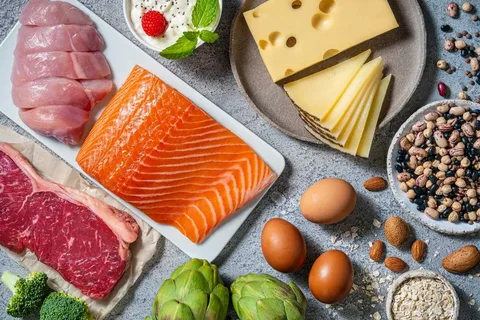
Protein is one of the most important nutrients for overall health. Whether your goal is building muscle, losing weight, improving recovery after workouts, or simply staying full between meals, eating enough protein can make a big difference.
Many people focus on calories when trying to improve their diet, but protein deserves equal attention. It helps repair muscles, supports metabolism, and keeps hunger under control. The good news is that there are plenty of delicious and affordable high-protein foods that can easily fit into your daily meals.
In this guide, we will explore the top 15 high-protein foods for building muscle and staying full longer. You’ll also learn how protein supports your fitness goals and how to include more of it in your diet.
Why Protein Is Essential for Muscle Growth
Protein is made up of amino acids, which are often called the building blocks of muscle. Every time you exercise, especially during strength training, your muscle fibres experience tiny tears. Protein helps repair these fibres and makes them stronger.
Benefits of eating enough protein include:
- Increased muscle growth
- Faster recovery after workouts
- Better strength development
- Improved metabolism
- Reduced muscle loss during weight loss
- Enhanced overall health
People who exercise regularly typically need more protein than those with a sedentary lifestyle.
How Protein Helps You Stay Full Longer
One of the biggest advantages of protein is its ability to increase satiety.
The Science Behind Protein and Fullness
Protein takes longer to digest than carbohydrates. It also affects hunger-related hormones that help control appetite.
As a result:
- You feel satisfied for longer periods
- Cravings are reduced
- Snacking decreases
- Weight management becomes easier
This is why many nutrition experts recommend including protein in every meal.
Eggs: The Perfect Protein Package
Eggs are among the most nutritious foods available.
One large egg contains approximately 6 grams of high-quality protein along with vitamins, minerals, and healthy fats.
Benefits of Eggs
- Rich in essential amino acids
- Supports muscle recovery
- Affordable and versatile
- Helps increase fullness
Eggs can be boiled, scrambled, poached, or included in many healthy recipes.
Chicken Breast: A Lean Muscle-Building Food
Chicken breast is one of the most popular protein sources among athletes and fitness enthusiasts.
A 100-gram serving provides around 31 grams of protein while remaining relatively low in fat.
Benefits include:
- Supports lean muscle growth
- Easy to prepare
- Low in calories
- Rich in nutrients
Grilled chicken breast works well in salads, wraps, and meal-prep dishes.
Greek Yogurt: Protein and Probiotics Together
Greek yoghurt contains nearly twice as much protein as regular yoghurt.
Why Greek Yogurt Is a Smart Choice
Benefits include:
- High protein content
- Supports digestive health
- Rich in calcium
- Convenient snack option
Adding berries, nuts, or seeds can make Greek yoghurt even more nutritious.
Salmon: Protein with Healthy Fats
Salmon is a high-quality protein source packed with omega-3 fatty acids.
A serving of salmon provides about 22–25 grams of protein and supports heart health, brain function, and muscle recovery.
Regular consumption may also help reduce inflammation after exercise.
Cottage Cheese: A Slow-Digesting Protein
Cottage cheese is a favourite among fitness enthusiasts because it is high in casein protein.
Casein digests slowly, providing a steady release of amino acids throughout the day or night.
Benefits include:
- Supports overnight muscle recovery
- Helps control hunger
- High protein content
- Low in calories
Many people enjoy cottage cheese as a bedtime snack.
Lean Beef: Packed with Protein and Nutrients
Lean beef is rich in protein, iron, zinc, and vitamin B12.
Muscle-Building Benefits of Lean Beef
Benefits include:
- Supports muscle growth
- Helps increase strength
- Provides essential nutrients
- Promotes recovery
Choose lean cuts to reduce saturated fat intake while maximising protein.
Tuna: A Convenient High-Protein Food
Tuna is one of the easiest ways to increase protein intake.
A can of tuna provides approximately 20–25 grams of protein while remaining low in calories.
It is ideal for:
- Quick lunches
- Sandwiches
- Salads
- Post-workout meals
Tuna is both affordable and widely available.
Lentils: The Best Plant-Based Protein Source
Lentils are an excellent choice for vegetarians and vegans.
One cooked cup contains about 18 grams of protein, along with fibre, iron, and other nutrients.
Why Lentils Support Weight Management
Lentils help:
- Increase fullness
- Improve digestion
- Stabilize blood sugar levels
- Support healthy weight loss
They can be added to soups, curries, and salads.
Protein-Rich Nuts and Seeds
Nuts and seeds are a source of protein, healthy fats, and fibre.
Examples include:
- Almonds
- Pistachios
- Pumpkin seeds
- Chia seeds
- Sunflower seeds
They make excellent snacks and can be added to oatmeal, smoothies, or yoghurt.
Top 7 Additional High-Protein Foods You Should Include
To complete our list of 15 high-protein foods, consider adding:
- Turkey Breast
- Shrimp
- Tofu
- Tempeh
- Edamame
- Quinoa
- Milk
Each of these foods provides valuable protein while supporting muscle maintenance and overall health.
How Much Protein Do You Really Need?
Protein needs vary based on age, activity level, and fitness goals.
General Protein Recommendations
- Sedentary adults: 0.8 grams per kilogram of body weight
- Active individuals: 1.2–1.7 grams per kilogram
- Muscle-building goals: 1.6–2.2 grams per kilogram
Spreading protein evenly throughout the day can help maximise muscle protein synthesis.
Tips for Adding More Protein to Your Diet
Getting enough protein doesn’t have to be complicated.
Simple strategies include:
- Start your day with eggs
- Add Greek yogurt as a snack
- Include protein at every meal
- Choose lean meats
- Use legumes regularly
- Add nuts and seeds to meals
- Drink protein-rich smoothies
Small changes can significantly increase daily protein intake.
Common Mistakes People Make with Protein
Many people unknowingly limit their results by making protein-related mistakes.
Common errors include:
- Eating too little protein at breakfast
- Skipping post-workout nutrition
- Relying only on supplements
- Ignoring plant-based protein sources
- Consuming most protein at dinner
Balancing protein throughout the day provides better results for muscle growth and satiety.
Conclusion
Protein plays a major role in muscle growth, recovery, metabolism, and appetite control. By including a variety of high-protein foods in your diet, you can support your fitness goals while staying full and satisfied longer.
Foods such as eggs, chicken breast, Greek yoghurt, salmon, cottage cheese, lean beef, tuna, lentils, nuts, tofu, and quinoa offer excellent nutritional value and help build a strong foundation for long-term health.
The key is consistency. Choosing high-quality protein sources regularly can help you build muscle, improve recovery, and maintain a healthy body composition over time.
Frequently Asked Questions (FAQs)
1. What food has the highest protein content?
Chicken breast, lean beef, tuna, and protein powders are among the highest protein sources.
2. Is protein important for weight loss?
Yes. Protein helps reduce hunger, preserve muscle mass, and support metabolism during weight loss.
3. How much protein should I eat daily?
Most active adults need between 1.2 and 2.2 grams of protein per kilogram of body weight.
4. Are eggs a complete protein source?
Yes. Eggs contain all nine essential amino acids that the body needs.
5. Is Greek yoghurt better than regular yoghurt?
Greek yoghurt generally contains more protein and less sugar than regular yoghurt.
6. Can vegetarians obtain enough protein?
Yes. Lentils, beans, tofu, tempeh, edamame, and quinoa are excellent vegetarian protein sources.
7. What is the best protein food after a workout?
Chicken breast, eggs, Greek yoghurt, tuna, and protein shakes are popular post-workout choices.
8. Does protein help reduce cravings?
Yes. Protein increases satiety and helps control hunger hormones.
9. Can I eat too much protein?
Excessive protein intake may be unnecessary for most people. Balance is important for overall nutrition.
10. Which protein source is best for muscle building?
High-quality proteins such as chicken breast, eggs, lean beef, fish, and dairy products are excellent for muscle growth.
