

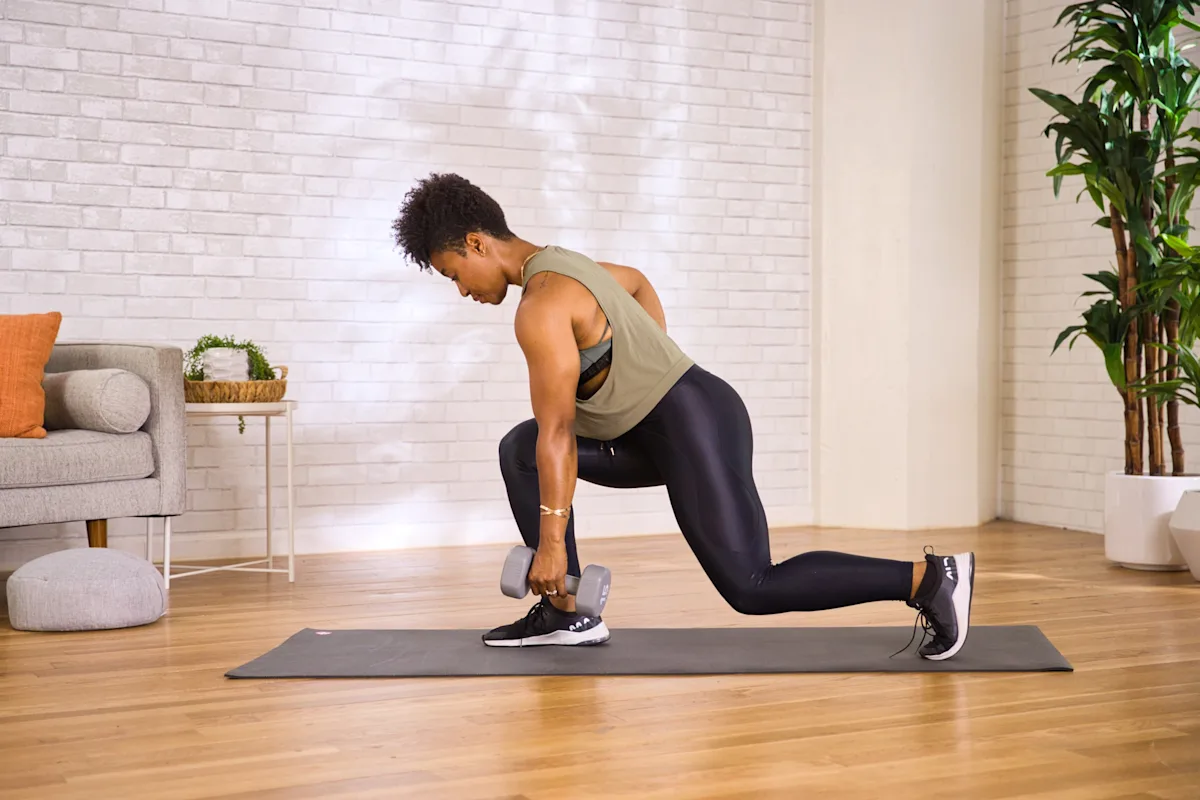
Maintaining a healthy weight while protecting your joints can feel challenging, especially if high-intensity workouts cause discomfort or pain. Many people assume they must run, jump, or perform intense exercises to lose weight. However, that is not true. Low-impact exercises can help you burn calories, improve fitness, strengthen muscles, and protect your joints at the same time.
Whether you are dealing with knee pain, recovering from an injury, managing arthritis, or simply looking for a sustainable fitness routine, low-impact workouts offer an excellent solution. These exercises reduce stress on the joints while delivering impressive health benefits.
In this guide, we will explore the best low-impact exercises for joint health and weight management and learn how to make them part of your daily routine.
Why Low-Impact Exercise Matters for Joint Health
Low-impact exercises are activities that place minimal stress on your joints. Unlike high-impact workouts such as running or jumping, these movements keep at least one foot on the ground or use water and equipment to reduce impact.
Benefits include:
- Reduced risk of joint injuries
- Less pain and inflammation
- Improved flexibility
- Better balance and coordination
- Increased muscle strength
- Effective calorie burning
- Long-term exercise sustainability
People of all ages can benefit from low-impact activities, especially older adults and individuals with joint-related conditions.
Walking: The Simplest Exercise for Weight Loss
Walking remains one of the most effective and accessible low-impact exercises available.
Benefits of Walking
Walking helps:
- Burn calories efficiently
- Improve heart health
- Strengthen leg muscles
- Support knee and hip joints
- Enhance mental well-being
A brisk 30-minute walk can burn between 150 and 250 calories depending on body weight and walking speed.
How to Make Walking More Effective
To maximise results:
- Walk at a brisk pace
- Use proper footwear
- Include slight inclines
- Swing your arms naturally
- Aim for at least 8,000 to 10,000 steps daily
Consistency is more important than speed when it comes to long-term weight management.
Swimming: A Full-Body Workout Without Joint Stress
Swimming is often considered one of the best exercises for people with joint pain.
Water supports your body weight, reducing pressure on the knees, hips, and spine. At the same time, water resistance helps strengthen muscles and improve cardiovascular fitness.
Why Swimming Is Great for Weight Management
Swimming can:
- Burn a significant number of calories
- Improve endurance
- Strengthen multiple muscle groups
- Increase flexibility
- Reduce joint stiffness
Even 30 minutes of swimming several times per week can contribute to healthy weight loss and improved mobility.
Cycling for Stronger Joints and Better Fitness
Cycling provides an excellent cardiovascular workout while being gentle on the knees and ankles.
Whether you choose outdoor cycling or a stationary bike, this activity helps improve lower-body strength and supports weight management goals.
Tips for Joint-Friendly Cycling
To protect your joints:
- Adjust the seat height correctly
- Maintain proper posture
- Start with moderate resistance
- Increase duration gradually
- Wear supportive footwear
Cycling regularly can strengthen muscles around the knees, providing additional joint support.
Yoga for Flexibility and Weight Control
Yoga combines movement, stretching, and mindfulness into one effective workout.
Unlike intense gym routines, yoga focuses on controlled movements that improve flexibility and balance while minimising joint strain.
Best Yoga Styles for Beginners
Some beginner-friendly options include:
- Hatha Yoga
- Restorative Yoga
- Yin Yoga
- Gentle Flow Yoga
These styles help improve mobility while supporting stress reduction and overall health.
Elliptical Training: Low Impact with High Results
Elliptical machines offer a workout similar to running but without the harsh impact on joints.
The smooth gliding motion reduces stress on the knees and hips while allowing users to burn calories efficiently.
Benefits include:
- Full-body engagement
- Improved cardiovascular fitness
- Enhanced endurance
- Better balance
- Reduced joint pressure
For many people with knee discomfort, the elliptical is a preferred alternative to treadmill running.
Water Aerobics for Joint Pain Relief
Water aerobics combines the benefits of swimming and aerobic exercise.
The buoyancy of water supports your body while resistance improves muscle strength and calorie burn.
Advantages of Water Aerobics
Key benefits include the following:
- Reduced joint stress
- Increased flexibility
- Improved cardiovascular health
- Better balance
- Enhanced muscle tone
This workout is especially popular among older adults and individuals with arthritis.
Strength Training Without Heavy Impact
Many people overlook strength training when discussing low-impact exercise.
Building muscle helps support joints and boosts metabolism, making weight management easier.
Joint-Friendly Strength Training Exercises
Consider:
- Bodyweight squats
- Wall push-ups
- Resistance band workouts
- Seated leg lifts
- Light dumbbell exercises
Strong muscles absorb stress that would otherwise be placed directly on the joints.
Pilates for Core Strength and Stability
Pilates focuses on controlled movements that improve core strength, posture, and flexibility.
A stronger core helps distribute body weight more effectively and reduces strain on the lower back and joints.
Benefits include:
- Improved posture
- Better flexibility
- Increased muscle endurance
- Enhanced balance
- Reduced injury risk
Pilates can be adapted for all fitness levels, making it a safe option for beginners.
Dancing: A Fun Way to Stay Active
Not all exercise needs to feel like a workout.
Low-impact dance styles offer an enjoyable way to burn calories while improving coordination and mobility.
Examples include:
- Ballroom dancing
- Line dancing
- Zumba Gold
- Social dancing
Regular dancing can support cardiovascular health and contribute to steady weight loss goals.
Creating a Sustainable Low-Impact Fitness Routine
The best exercise plan is one you can maintain consistently.
Weekly Exercise Plan Example
Monday: Walking (30 minutes)
Tuesday: Yoga (30 minutes)
Wednesday: Cycling (40 minutes)
Thursday: Strength Training (30 minutes)
Friday: Swimming (30 minutes)
Saturday: Water Aerobics or Pilates
Sunday: Active Recovery Walk
Mixing different activities helps prevent boredom while supporting overall fitness and joint health.
Conclusion
Low-impact exercises prove that you do not need intense workouts to achieve excellent health results. Activities like walking, swimming, cycling, yoga, Pilates, and water aerobics provide effective ways to burn calories, strengthen muscles, and protect your joints.
The key is consistency. Choosing exercises that feel comfortable and enjoyable will help you stay active for the long term. Over time, these gentle yet effective workouts can improve mobility, reduce pain, and support healthy weight management.
Investing in joint-friendly fitness today can lead to a healthier and more active future.
Frequently Asked Questions (FAQs)
1. What is a low-impact exercise?
A low-impact exercise is any physical activity that places minimal stress on the joints while still improving fitness and health.
2. Can low-impact workouts help with weight loss?
Yes. Consistent low-impact exercise burns calories, increases metabolism, and supports healthy weight loss.
3. Is walking enough for weight management?
Yes. Regular brisk walking combined with a healthy diet can significantly contribute to weight management.
4. Which exercise is best for knee pain?
Swimming, water aerobics, cycling, and walking are often recommended for people with knee pain.
5. How often should I do low-impact exercises?
Aim for at least 150 minutes of moderate physical activity per week.
6. Is yoga considered a low-impact workout?
Yes. Most yoga styles are gentle on the joints while improving flexibility and strength.
7. Can seniors benefit from low-impact exercises?
Absolutely. Low-impact activities help maintain mobility, balance, and overall health in older adults.
8. Does cycling strengthen the knees?
Yes. Cycling helps strengthen the muscles surrounding the knees, improving support and stability.
9. Are low-impact exercises suitable for beginners?
Yes. They are ideal for beginners because they reduce injury risk while building fitness gradually.
10. What is the best low-impact workout for overall fitness?
Swimming is often considered one of the best full-body low-impact exercises for fitness and joint health.
