

Running an online store has never been easier. Today, almost anyone can launch an eCommerce website and start selling products within a few days. However, getting consistent traffic and sales is where the real challenge begins.
Many small business owners believe that simply creating a website is enough to attract customers. Unfortunately, that is not how online business works. The internet is highly competitive, and customers have countless options available at their fingertips.
The good news is that you do not need a massive marketing budget to compete. With the right eCommerce marketing strategies, small business owners can build brand awareness, attract targeted visitors, and generate consistent sales.
In this guide, you will learn the most effective eCommerce marketing strategies for small business owners, including SEO, content marketing, email marketing, social media promotion, paid advertising, and customer retention techniques that can help your online store grow in 2026 and beyond.
Why eCommerce Marketing Is Essential for Growth
Many online stores fail because they focus only on products and ignore marketing.
Even the best products cannot generate sales if potential customers never discover them.
Effective eCommerce marketing helps you:
- Increase website traffic
- Build brand awareness
- Generate qualified leads
- Improve conversion rates
- Increase customer loyalty
- Boost long-term revenue
The most successful online businesses treat marketing as an ongoing investment rather than a one-time activity.
1. Build a Strong SEO Foundation
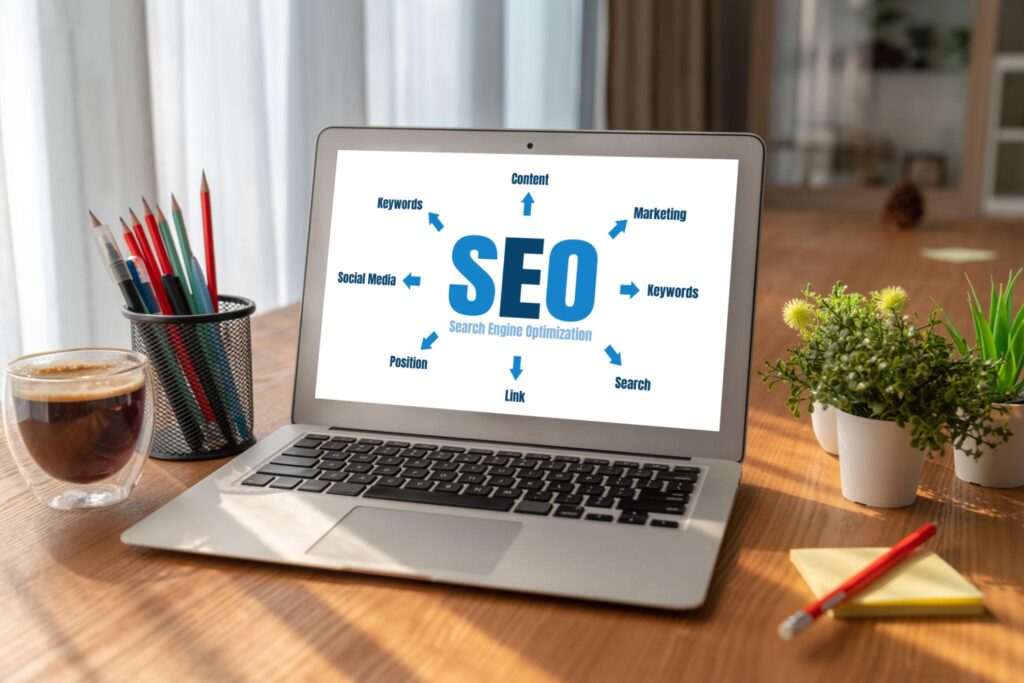
Search engine optimisation remains one of the most cost-effective marketing strategies for eCommerce businesses.
When your products appear in search engine results, you receive highly targeted visitors who are already interested in buying.
Key SEO Actions
- Optimize product titles
- Write unique product descriptions
- Use keyword-rich category pages
- Improve website speed
- Create SEO-friendly URLs
- Add image alt text
Focus on buyer-intent keywords.
Instead of targeting broad keywords like “running shoes”, target specific search terms such as the following:
- Best running shoes for beginners
- Lightweight running shoes for women
- Affordable marathon training shoes
These keywords often convert better because the buyer is closer to making a purchase.
2. Create Valuable Content Marketing

Content marketing helps attract visitors before they are ready to buy.
Publishing useful content builds trust and positions your business as an authority in your industry.
Examples include:
- Blog posts
- Product guides
- Buying guides
- Tutorials
- Industry news
- Case studies
A customer searching for information today may become a paying customer tomorrow.
Write Problem-Solving Content
The best-performing content answers customer questions.
For example:
- How to choose the right yoga mat
- Best skincare routine for sensitive skin
- Home office setup ideas for productivity
Helpful content naturally drives organic traffic and sales.
3. Use Email Marketing to Increase Sales

Email marketing continues to deliver one of the highest returns on investment in digital marketing.
Unlike social media platforms, your email list belongs to you.
Benefits include:
- Direct communication with customers
- Product launch announcements
- Promotional campaigns
- Customer retention
- Repeat purchases
Build your list by offering:
- Discounts
- Free guides
- Exclusive offers
- Early product access
Create Automated Email Sequences
Automation saves time while increasing revenue.
Useful email sequences include:
- Welcome series
- Abandoned cart reminders
- Post-purchase follow-ups
- Product recommendation emails
- Re-engagement campaigns
These automated emails can generate sales even while you sleep.
4. Leverage Social Media Marketing

Social media platforms provide excellent opportunities to reach potential customers.
Popular platforms include the following:
- TikTok
- YouTube
Each platform serves different audiences and marketing goals.
Small businesses should focus on one or two platforms instead of trying to be everywhere.
Effective Social Media Content
- Product demonstrations
- Customer testimonials
- Behind-the-scenes content
- Educational posts
- Short-form videos
- User-generated content
Consistency is more important than posting frequency.
5. Invest in Paid Advertising
Organic marketing takes time.
Paid advertising can accelerate growth by bringing immediate traffic to your store.
Popular advertising channels include:
- Google Ads
- Facebook Ads
- Instagram Ads
- TikTok Ads
- Pinterest Ads
Start with a small budget and scale campaigns that produce profitable results.
Retarget Website Visitors
Most visitors do not purchase on their first visit.
Retargeting allows you to show ads to people who already visited your website.
Benefits include:
- Higher conversion rates
- Lower advertising costs
- Better return on investment
- Increased brand recognition
Retargeting is often one of the most profitable forms of advertising.
6. Optimize Your Product Pages for Conversions

Traffic alone does not generate revenue.
Your product pages must convince visitors to take action.
A high-converting product page should include:
- Clear product images
- Detailed descriptions
- Product benefits
- Customer reviews
- Frequently asked questions
- Trust badges
- Fast loading speed
Small improvements in conversion rates can significantly increase profits.
Use High-Quality Product Images
Customers cannot physically touch products online.
Professional product photography helps build trust and reduce uncertainty.
Use:
- Multiple angles
- Lifestyle images
- Zoom features
- Product videos
Visual content often has a direct impact on purchasing decisions.
7. Encourage Customer Reviews and Testimonials

Online shoppers trust other customers more than advertising.
Positive reviews provide social proof and increase buyer confidence.
Ways to collect reviews:
- Email follow-ups
- Loyalty programs
- Discount incentives
- Review requests after delivery
Customer feedback also helps improve your products and services.
Benefits of Reviews
- Increased trust
- Better SEO
- Higher conversion rates
- Improved customer engagement
Even a few authentic reviews can significantly impact sales.
8. Build Customer Loyalty Programs
Acquiring new customers is often more expensive than retaining existing ones.
Loyal customers typically:
- Spend more money
- Purchase more frequently
- Recommend your business
- Leave positive reviews
Simple loyalty rewards may include:
- Points systems
- Discount codes
- VIP memberships
- Referral rewards
- Birthday offers
Customer retention should be a priority for every small business owner.
9. Use Influencer and Affiliate Marketing
Influencer marketing is no longer limited to large brands.
Micro-influencers often have highly engaged audiences and affordable promotion rates.
Benefits include:
- Increased credibility
- Brand awareness
- New customer acquisition
- Better social proof
Affiliate marketing works similarly by rewarding partners for generating sales.
Choosing the Right Influencers
Look for:
- Relevant audiences
- High engagement rates
- Authentic content
- Industry expertise
A smaller influencer with an engaged audience often delivers better results than a larger influencer with low engagement.
10. Track Data and Continuously Improve
Successful eCommerce marketing relies on data.
Without analytics, it is impossible to know what is working.
Important metrics to monitor:
- Website traffic
- Conversion rate
- Bounce rate
- Average order value
- Customer lifetime value
- Email open rates
- Advertising ROI
Small improvements over time can create significant long-term growth.
Essential Analytics Tools
- Google Analytics
- Google Search Console
- Shopify Analytics
- Email marketing dashboards
- Heatmap software
Businesses that regularly analyse performance usually make better marketing decisions.
Common eCommerce Marketing Mistakes to Avoid
Many small business owners unknowingly limit their growth by making avoidable mistakes.
Common mistakes include:
- Ignoring SEO
- Not building an email list
- Posting inconsistent content
- Targeting everyone instead of a niche audience
- Using poor product images
- Failing to collect reviews
- Neglecting mobile optimization
- Not tracking analytics
Avoiding these mistakes can provide a competitive advantage.
Creating an Effective eCommerce Marketing Plan
A simple marketing plan should include:
- Define target audience
- Set measurable goals
- Optimize website SEO
- Publish weekly content
- Build an email list
- Use social media consistently
- Test paid advertising
- Monitor performance metrics
- Improve conversion rates
- Retain existing customers
Consistency often beats complexity.
Small actions performed regularly produce better results than large marketing efforts performed occasionally.
Frequently Asked Questions (FAQs)
1. What is the best eCommerce marketing strategy for beginners?
SEO and email marketing are excellent starting points because they provide long-term value and sustainable growth.
2. How much should a small business spend on marketing?
Many businesses invest between 5% and 15% of their revenue into marketing, depending on growth goals and industry competition.
3. Is SEO better than paid advertising?
SEO provides long-term traffic, while paid advertising generates immediate results. Combining both usually delivers the best outcome.
4. How long does eCommerce SEO take to work?
SEO typically requires three to six months before significant improvements become visible.
5. Why is email marketing important for online stores?
Email marketing helps build customer relationships, increase repeat purchases, and improve customer retention.
6. Which social media platform is best for eCommerce?
The best platform depends on your audience. Instagram, Facebook, TikTok, and Pinterest are popular choices for online stores.
7. How can I increase my eCommerce conversion rate?
Improve product pages, add reviews, optimise the mobile experience, and simplify the checkout process.
8. What is retargeting in eCommerce marketing?
Retargeting shows advertisements to visitors who previously interacted with your website but did not make a purchase.
9. How often should I send marketing emails?
Most businesses send one to four emails per week, depending on audience preferences and promotional activities.
10. What is the fastest way to grow an online store?
Combining SEO, content marketing, email marketing, social media promotion, and paid advertising often produces the fastest growth.
Conclusion
The most successful eCommerce marketing strategies for small business owners focus on attracting the right audience, building trust, and creating long-term customer relationships.
You do not need a huge budget to grow an online store. By implementing SEO, content marketing, email campaigns, social media promotion, paid advertising, customer reviews, loyalty programs, and performance tracking, small businesses can compete effectively in today’s digital marketplace.
Start with one or two strategies, master them, and gradually expand your marketing efforts. Consistent execution is what turns a small online store into a profitable and sustainable eCommerce business.
