

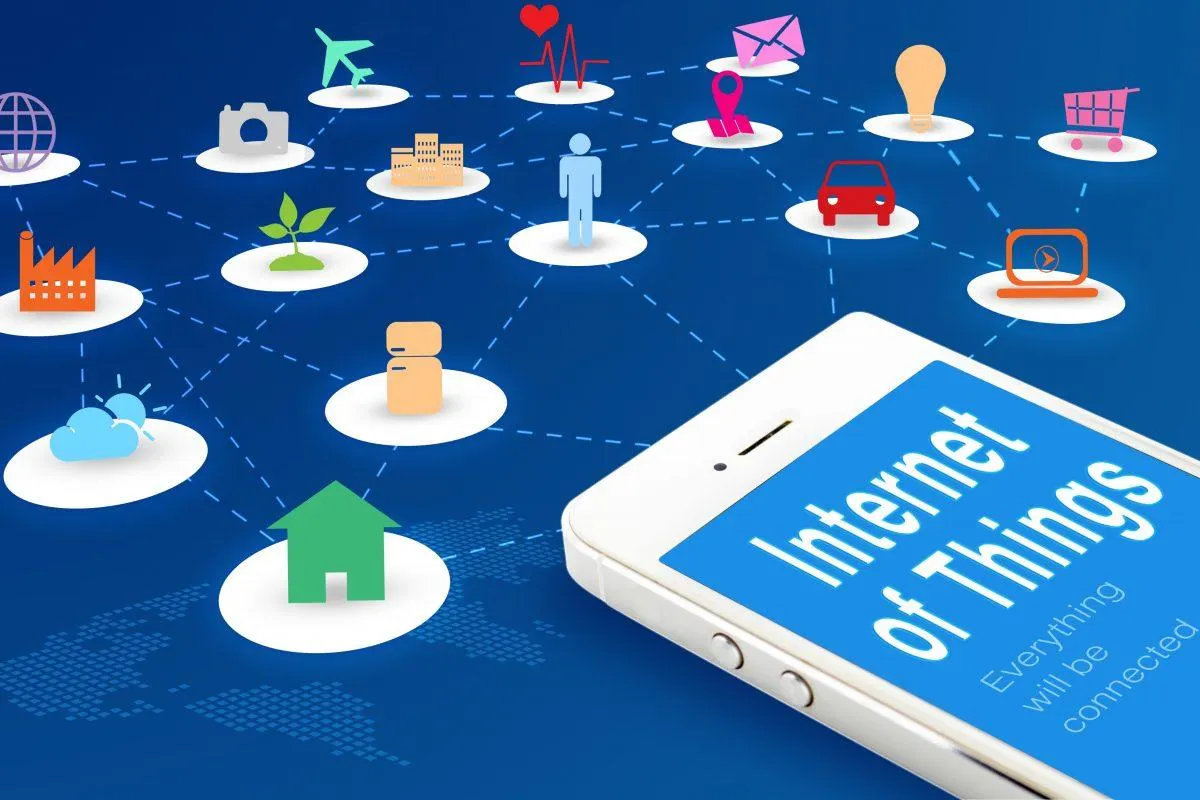
The Internet of Things (IoT) has become one of the most influential technologies of modern times. Just a few years ago, the idea of household appliances communicating with each other seemed futuristic. Today, smart speakers answer questions, wearable devices track health, and connected security systems protect homes around the clock.
IoT devices are transforming the way people live, work, travel, shop, and manage their health. These connected devices collect and exchange data through the internet, making everyday activities more convenient and efficient.
In this guide, we’ll explore how IoT devices are changing daily life, the benefits they offer, the challenges they bring, and what the future may look like as connected technology continues to evolve.
What Is the Internet of Things (IoT)?
The Internet of Things refers to a network of physical devices connected to the internet that can collect, send, and receive data.
These devices include:
- Smart thermostats
- Smart speakers
- Fitness trackers
- Smart watches
- Security cameras
- Connected vehicles
- Smart appliances
The goal is simple: make devices smarter and more responsive by allowing them to communicate with users and other devices.
How IoT Devices Work
IoT devices use sensors, software, and internet connectivity to gather information and perform actions automatically.
For example:
- A smart thermostat adjusts room temperature based on usage patterns.
- A fitness tracker monitors heart rate and activity levels.
- A smart refrigerator can notify users when groceries are running low.
This continuous exchange of information helps improve efficiency and convenience.
Smart Homes Are Becoming Smarter
One of the most visible impacts of IoT technology is the rise of smart homes.
Homeowners can now control lighting, temperature, entertainment systems, and appliances using smartphones or voice commands.
Benefits of smart homes include:
- Improved energy efficiency
- Enhanced security
- Greater convenience
- Remote access and control
Imagine leaving for work and realising you forgot to turn off the lights. With a smart home system, you can switch them off from anywhere.
Popular Smart Home Devices
Some of the most commonly used smart home technologies include:
- Smart thermostats
- Smart plugs
- Smart lighting systems
- Video doorbells
- Smart locks
- Voice assistants
These devices work together to create a connected living environment that simplifies everyday tasks.
IoT Is Revolutionizing Healthcare
Healthcare is one of the industries benefiting most from connected technology.
IoT devices allow healthcare professionals and patients to monitor health conditions in real time.
Examples include:
- Wearable fitness trackers
- Smart blood pressure monitors
- Glucose monitoring systems
- Remote patient monitoring devices
These innovations help individuals manage their health more effectively while enabling doctors to receive accurate data between appointments.
Wearable Devices and Personal Health
Wearable technology has become increasingly popular because it provides immediate insights into personal wellness.
Many devices can track:
- Heart rate
- Sleep quality
- Daily steps
- Calories burned
- Stress levels
This information encourages healthier habits and early detection of potential health concerns.
Transportation Is Becoming More Connected
The transportation industry is experiencing major changes thanks to IoT technology.
Connected vehicles can communicate with drivers, navigation systems, and traffic infrastructure.
Advantages include:
- Better route planning
- Improved fuel efficiency
- Enhanced vehicle safety
- Reduced traffic congestion
Modern vehicles can alert drivers about maintenance issues before serious problems develop.
As connected transportation expands, commuting may become safer and more efficient.
Smart Security Is Enhancing Safety
Security has always been a priority for homeowners and businesses.
IoT-based security systems offer real-time monitoring and instant notifications.
Common smart security solutions include:
- Smart cameras
- Motion sensors
- Video doorbells
- Smart locks
- Alarm systems
Users can monitor their properties from anywhere through mobile applications.
Real-Time Monitoring Benefits
Traditional security systems often require manual checks.
Connected security systems provide:
- Live video feeds
- Instant alerts
- Remote lock control
- Emergency notifications
These features help users respond quickly to potential threats.
IoT Devices Are Improving Energy Efficiency
Energy management is becoming easier through smart technology.
Connected devices help monitor and reduce energy consumption automatically.
Examples include:
- Smart thermostats
- Energy monitoring plugs
- Smart lighting systems
- Automated climate controls
These technologies help households lower utility bills while reducing environmental impact.
Businesses also benefit by optimising energy usage across offices and facilities.
Smart Cities Are Transforming Urban Living
Cities worldwide are adopting IoT solutions to improve public services and infrastructure.
Smart city applications include:
- Intelligent traffic systems
- Smart parking solutions
- Waste management systems
- Environmental monitoring
- Public safety networks
These technologies help city governments provide better services while reducing operational costs.
How Smart Cities Improve Daily Life
Smart city initiatives create more efficient urban environments by:
- Reducing traffic delays
- Improving public transportation
- Lowering pollution levels
- Enhancing emergency response times
Residents enjoy a smoother and more convenient experience in connected communities.
IoT Is Changing the Retail Experience
Retailers use connected devices to improve customer experiences and streamline operations.
Modern retail applications include the following:
- Smart shelves
- Inventory tracking systems
- Personalized promotions
- Contactless payments
Customers can enjoy faster shopping experiences while businesses gain valuable insights into consumer behaviour.
Retail technology continues to evolve as stores adopt more connected solutions.
Workplace Productivity Is Increasing Through IoT
Businesses are using IoT technology to improve efficiency and productivity.
Connected workplace solutions include:
- Smart meeting rooms
- Asset tracking systems
- Environmental monitoring
- Automated maintenance systems
These tools help organisations reduce downtime and improve operational performance.
IoT in Remote and Hybrid Work
The growth of remote work has increased demand for connected technologies.
IoT solutions support remote employees by:
- Monitoring equipment performance
- Managing energy usage
- Improving communication systems
- Enhancing workplace security
As hybrid work models continue to grow, connected technologies will play an even bigger role.
Challenges and Risks of IoT Technology
Despite its many benefits, IoT technology also presents challenges.
Common concerns include:
- Data privacy issues
- Cybersecurity threats
- Device compatibility problems
- Network reliability concerns
Because connected devices continuously collect information, protecting user data remains a major priority.
Manufacturers must invest in stronger security measures to maintain consumer trust.
The Future of IoT Devices
The future of connected technology looks promising.
Advancements in artificial intelligence, machine learning, and 5G networks will make IoT devices even more powerful.
Expected developments include:
- Smarter automation
- Faster device communication
- Improved healthcare monitoring
- More efficient transportation systems
- Enhanced smart city infrastructure
As technology evolves, connected devices will become increasingly integrated into everyday life.
The next generation of IoT innovations will likely focus on improving convenience, efficiency, and sustainability.
Conclusion
The Internet of Things is reshaping daily life in ways that were once unimaginable. From smart homes and wearable devices to connected vehicles and intelligent cities, IoT technology is creating a more convenient and efficient world.
As adoption continues to grow, individuals and businesses alike will benefit from enhanced automation, improved decision-making, and better access to real-time information. While challenges related to security and privacy remain important, ongoing technological advancements are helping address these concerns.
The future of IoT is bright, and its impact on daily life will continue to expand as more devices become connected and intelligent.
Frequently Asked Questions (FAQs)
1. What is an IoT device?
An IoT device is a physical object connected to the internet that can collect, share, and process data to perform specific tasks automatically.
2. How do IoT devices improve daily life?
They increase convenience, automate routine tasks, improve efficiency, and provide real-time information for better decision-making.
3. What are common examples of IoT devices?
Smart speakers, fitness trackers, smart thermostats, security cameras, smart watches, and connected appliances.
4. Are IoT devices safe to use?
Most IoT devices are safe when users follow security best practices such as strong passwords and regular software updates.
5. How does IoT help healthcare?
IoT supports remote patient monitoring, health tracking, early diagnosis, and improved communication between patients and healthcare providers.
6. What role does IoT play in smart homes?
IoT enables homeowners to control lighting, temperature, security systems, and appliances remotely.
7. How do smart cities use IoT technology?
Smart cities use connected systems for traffic management, waste collection, public safety, and environmental monitoring.
8. Can IoT devices save energy?
Yes. Smart thermostats, lighting systems, and energy monitors help reduce energy consumption and lower utility costs.
9. What are the biggest challenges of IoT?
The primary challenges include cybersecurity risks, privacy concerns, compatibility issues, and network reliability.
10. What is the future of IoT technology?
Future developments will include advanced automation, AI-powered decision-making, faster connectivity through 5G, and smarter connected ecosystems.
