

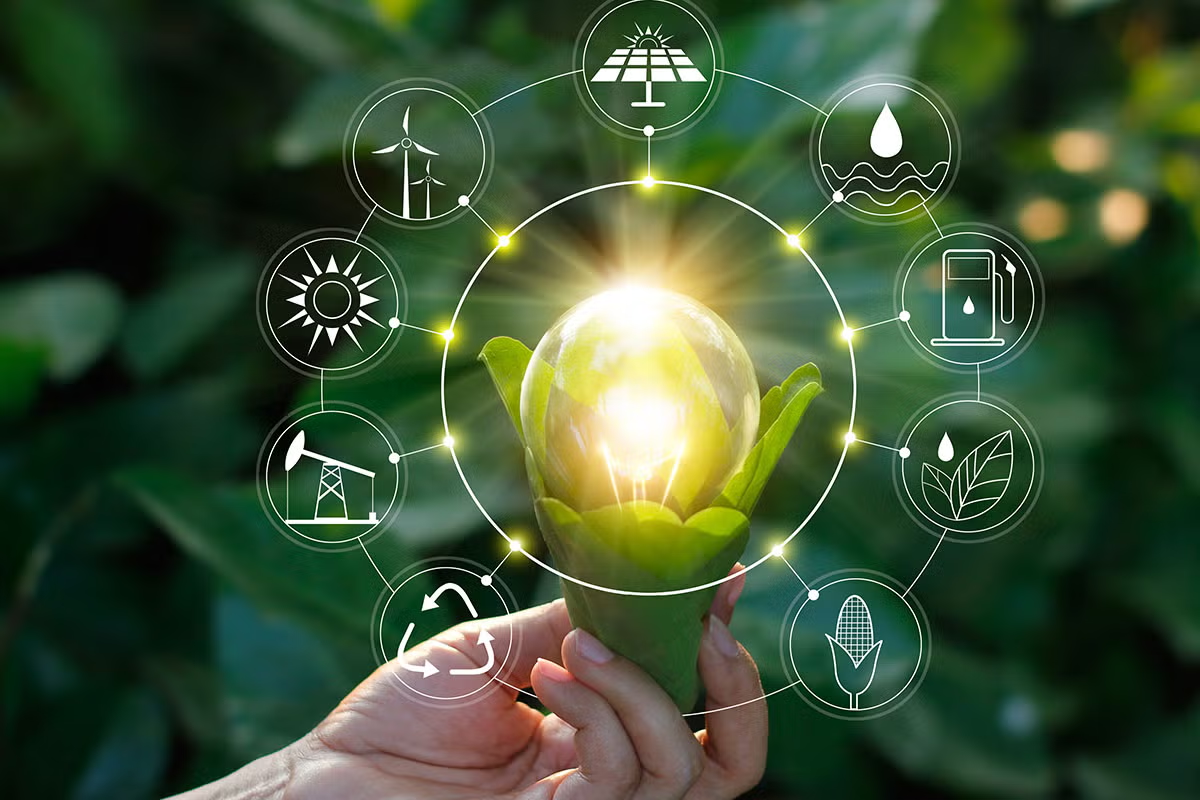
As the world faces growing environmental challenges, green technology has become one of the most important solutions for creating a sustainable future. Rising pollution levels, climate change, resource depletion, and increasing energy demands have encouraged governments, businesses, and individuals to seek environmentally friendly alternatives.
Green technology, also known as clean technology or environmental technology, focuses on reducing negative impacts on the environment while improving efficiency and supporting economic growth. From renewable energy systems to smart buildings and electric vehicles, green technology is transforming the way people live and work.
In this article, we will explore the benefits of green technology, its role in sustainability, and how it can help build a healthier planet for future generations.
What Is Green Technology?
‘Green technology’ refers to products, systems, and processes designed to conserve natural resources and minimise environmental damage. The primary goal is to create sustainable solutions that reduce waste, lower emissions, and improve energy efficiency.
Examples of green technology include:
- Solar panels
- Wind turbines
- Electric vehicles
- Smart energy systems
- Green buildings
- Water recycling technologies
- Sustainable manufacturing processes
These innovations help balance economic development with environmental protection.
Why Green Technology Matters Today
Environmental concerns are becoming more urgent every year. Global temperatures continue to rise, natural resources are being consumed rapidly, and pollution affects both ecosystems and human health.
Green technology offers practical solutions by the following:
- Reducing greenhouse gas emissions
- Conserving energy resources
- Minimizing waste production
- Improving air and water quality
- Supporting sustainable economic growth
Without adopting sustainable technologies, environmental problems could become increasingly difficult to manage in the future.
Reduced Carbon Emissions and Climate Protection
One of the biggest benefits of green technology is its ability to reduce carbon emissions.
Traditional energy sources such as coal, oil, and natural gas release large amounts of carbon dioxide into the atmosphere. These emissions contribute significantly to global warming and climate change.
Green technologies help by replacing fossil fuels with cleaner alternatives.
Solar Energy as a Clean Alternative
Solar panels generate electricity from sunlight without producing harmful emissions. Homes and businesses can reduce their dependence on fossil fuels while lowering energy costs.
Wind Power for Sustainable Electricity
Wind turbines convert wind into electricity and produce virtually no greenhouse gas emissions during operation.
Electric Transportation Solutions
Electric vehicles reduce fuel consumption and lower transportation-related emissions, making them an important part of climate action strategies.
By adopting these technologies, societies can significantly reduce their environmental footprint.
Improved Energy Efficiency
Energy efficiency is a major component of green technology.
Many modern systems are designed to use less energy while delivering better performance.
Examples include:
- LED lighting systems
- Smart thermostats
- Energy-efficient appliances
- Automated energy management systems
Smart Buildings and Energy Savings
Smart buildings use sensors and automation technologies to optimise heating, cooling, lighting, and ventilation. This reduces energy consumption while maintaining comfort and productivity.
Improved efficiency helps lower utility bills and reduces pressure on power generation systems.
Conservation of Natural Resources
Natural resources such as fossil fuels, forests, and freshwater supplies are limited. Green technology helps conserve these valuable resources through smarter usage and renewable alternatives.
Water Conservation Technologies
Modern water-saving systems include the following:
- Rainwater harvesting
- Water recycling systems
- Smart irrigation technologies
- Low-flow plumbing fixtures
These innovations help reduce water waste and protect freshwater resources.
Sustainable Resource Management
Green manufacturing processes focus on minimising raw material consumption while maximising production efficiency.
Resource conservation ensures future generations have access to essential natural assets.
Economic Benefits of Green Technology
Many people assume environmentally friendly solutions are expensive, but green technology often generates substantial economic benefits.
Businesses that invest in sustainable technologies frequently experience the following:
- Lower operating costs
- Reduced energy expenses
- Improved productivity
- Increased competitiveness
Governments also benefit through reduced environmental cleanup costs and lower healthcare expenses related to pollution.
Green technology creates long-term financial value while supporting environmental goals.
Job Creation and Economic Growth
The green technology sector has become a major source of employment worldwide.
As industries invest in renewable energy, sustainable infrastructure, and environmental solutions, demand for skilled workers continues to grow.
Emerging Green Careers
Some rapidly growing green jobs include:
- Solar panel installers
- Wind turbine technicians
- Sustainability consultants
- Environmental engineers
- Green construction specialists
These careers support economic development while contributing to environmental protection.
The green economy is expected to remain one of the fastest-growing sectors in the coming decades.
Better Public Health and Quality of Life
Pollution has a direct impact on human health. Poor air quality can contribute to respiratory diseases, heart problems, and other serious medical conditions.
Green technology helps improve public health by reducing pollutants released into the environment.
Benefits include:
- Cleaner air
- Cleaner water
- Reduced exposure to toxic substances
- Healthier living environments
Communities that embrace sustainable technologies often experience improved quality of life and lower healthcare costs.
Sustainable Business Practices
Modern consumers increasingly prefer businesses that demonstrate environmental responsibility.
Green technology helps companies achieve sustainability goals while improving brand reputation.
Businesses can implement green practices such as the following:
- Renewable energy adoption
- Waste reduction programs
- Sustainable packaging
- Energy-efficient operations
Organisations that prioritise sustainability often gain customer trust and attract environmentally conscious consumers.
Green Technology and Smart Cities
Urban populations continue to grow, creating new challenges related to transportation, energy use, and resource management.
Green technology plays a critical role in developing smart cities.
Smart Transportation Systems
Smart transportation solutions include:
- Electric public transit
- Intelligent traffic management
- Bike-sharing programs
- Electric vehicle charging networks
These systems reduce congestion and lower emissions.
Sustainable Urban Infrastructure
Smart cities integrate renewable energy, efficient buildings, and digital technologies to create more sustainable urban environments.
Such innovations help cities become cleaner, safer, and more efficient.
Future Innovations in Green Technology
The future of green technology looks promising as researchers continue developing innovative solutions.
Emerging technologies include:
- Advanced battery storage
- Hydrogen fuel systems
- Carbon capture technology
- Smart energy grids
- Sustainable agriculture technologies
These innovations could dramatically reduce environmental impacts while supporting global economic growth.
As technology advances, sustainable solutions are expected to become more affordable and accessible.
How Individuals Can Support Green Technology
Creating a sustainable future is not solely the responsibility of governments and corporations. Individuals can also contribute by adopting environmentally friendly practices.
Simple actions include:
- Using energy-efficient appliances
- Supporting renewable energy providers
- Driving electric or hybrid vehicles
- Reducing waste and recycling
- Conserving water
- Purchasing sustainable products
Small changes made by millions of people can produce significant environmental benefits over time.
Conclusion
Green technology is one of the most powerful tools available for addressing environmental challenges and building a sustainable future. By reducing carbon emissions, improving energy efficiency, conserving natural resources, and supporting economic growth, green technology creates benefits for both people and the planet.
From renewable energy systems and electric vehicles to smart cities and sustainable manufacturing, green innovations are transforming industries worldwide. As technology continues to evolve, its role in protecting the environment will become even more important.
Investing in green technology today helps ensure cleaner air, healthier communities, stronger economies, and a more sustainable future for generations to come.
Frequently Asked Questions (FAQs)
1. What is green technology?
Green technology refers to environmentally friendly innovations designed to reduce pollution, conserve resources, and support sustainable development.
2. Why is green technology important?
It helps reduce environmental damage, combat climate change, and improve resource efficiency.
3. What are examples of green technology?
Examples include solar panels, wind turbines, electric vehicles, smart buildings, and water recycling systems.
4. How does green technology reduce pollution?
It replaces polluting processes with cleaner alternatives that generate fewer emissions and waste products.
5. Can green technology save money?
Yes. Energy-efficient systems often lower utility bills and reduce long-term operating costs.
6. How does green technology help businesses?
It improves efficiency, reduces expenses, enhances reputation, and supports sustainability goals.
7. What role does renewable energy play in green technology?
Renewable energy provides clean electricity from natural sources like sunlight and wind without producing significant emissions.
8. Does green technology create jobs?
Yes. The renewable energy and sustainability sectors create millions of jobs worldwide.
9. What are smart cities?
Smart cities use advanced technologies to improve energy efficiency, transportation, and resource management.
10. How can individuals support green technology?
People can conserve energy, reduce waste, use sustainable products, and support renewable energy solutions.
