

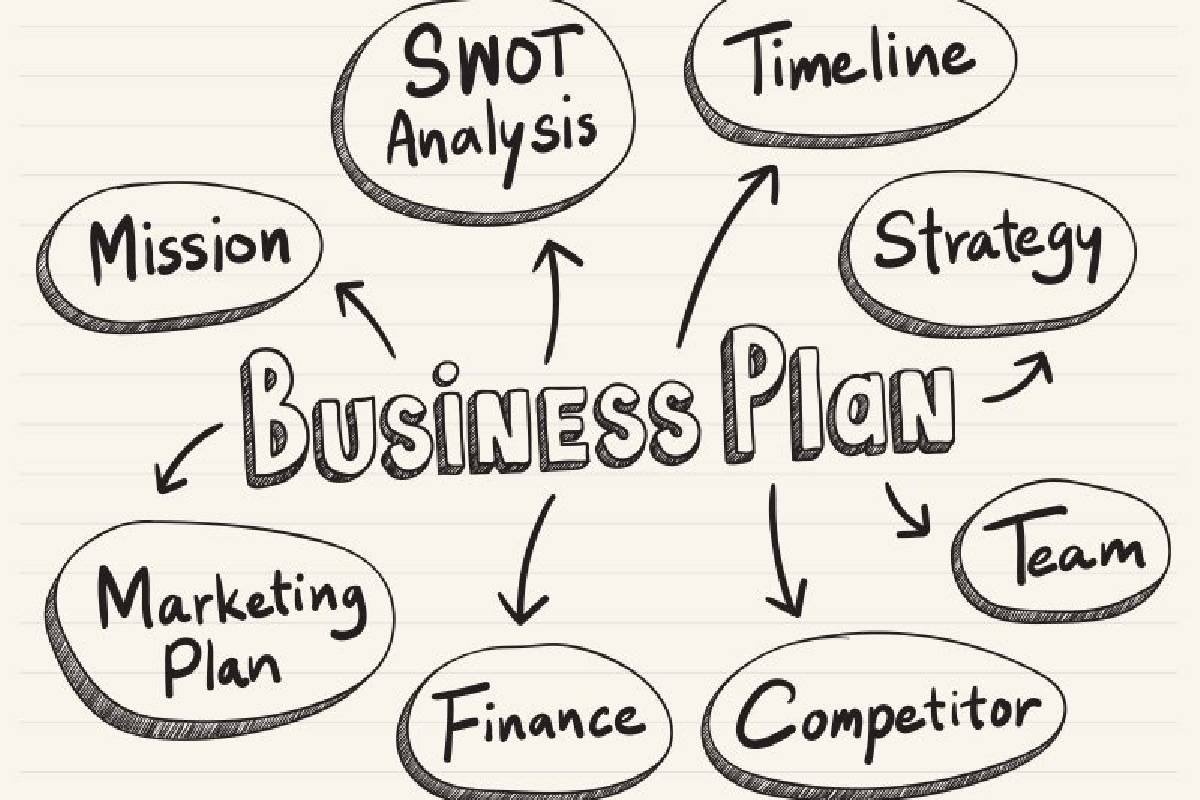
Writing a business plan can be an overwhelming task, but it’s also one of the most essential steps for turning your business idea into a reality. Whether you’re seeking funding, planning your growth, or simply getting organized, a well-written business plan is your roadmap to success. In this blog, we’ll walk you through how to write a comprehensive business plan that covers all the essential elements.
1. What is a Business Plan?
A business plan is a formal document that outlines the goals, strategies, target market, financial projections, and operations of a business. It’s a blueprint for how the business will function and grow, providing clear direction for the entrepreneur and any potential investors.
A business plan generally includes:
- An executive summary
- A company description
- Market research and analysis
- Organization and management structure
- Description of products or services
- Marketing and sales strategy
- Financial projections
- Funding request (if applicable)
Now, let’s break down each section in detail so you can create your own plan.
2. Executive Summary
The executive summary is the first part of your business plan, but it should be written last. It summarizes the entire plan, giving readers a brief overview of your business and what you aim to achieve. It should be concise and compelling enough to grab the attention of potential investors.
Your executive summary should include:
- The mission and vision of your business
- Key business objectives
- The product or service you’re offering
- The target market
- A brief overview of your financial outlook
3. Company Description
This section provides an in-depth look at your business. It should clearly describe what your business does, what problem it solves, and why it’s unique. Here’s what to cover:
- Business Name and Structure: What is your business name, and what legal structure is it (sole proprietorship, partnership, LLC, corporation)?
- Business Goals: What are your short-term and long-term objectives?
- Industry and Market: Describe the industry you’re entering, and the current trends or opportunities.
4. Market Research and Analysis
Before launching your business, it’s crucial to understand your market. This section should demonstrate that you’ve done your homework. You need to outline your target market, competition, and industry trends.
- Target Market: Who are your customers, and what are their needs?
- Market Trends: What are the current trends in your industry?
- Competitive Analysis: Who are your competitors, and how does your business stand out from them?
5. Organization and Management
In this section, you will describe your business’s organizational structure and the team behind it. This is where you outline who is responsible for different tasks and how your business will operate on a day-to-day basis.
- Business Structure: Who are the key players in the company, and what are their roles? This could include founders, management, and key employees.
- Advisors: If you have any mentors or advisors, mention them as well.
6. Products or Services
Now it’s time to dive into what you’re actually offering to your customers. This section should detail the products or services you’re selling and how they benefit your target market.
- Product/Service Description: What are you selling, and how does it solve a problem for your customers?
- Development Stage: Are your products ready for sale, or are you in the development phase?
- Intellectual Property: If applicable, do you have patents, trademarks, or copyrights?
7. Marketing and Sales Strategy
A well-executed marketing and sales strategy is crucial for success. Here’s where you outline how you plan to attract and retain customers.
- Marketing Strategy: How will you promote your business (social media, content marketing, partnerships, etc.)?
- Sales Strategy: How will you close deals and generate revenue? What sales channels will you use (online, in-person, B2B)?
8. Financial Projections
Investors and stakeholders want to know if your business is financially viable. In this section, you’ll outline your financial plan, which should include:
- Profit and Loss Forecast: What are your expected revenues and expenses over the next 3–5 years?
- Cash Flow Statement: How will cash move in and out of your business?
- Balance Sheet: A snapshot of your business’s financial health at a given time.
- Break-even Analysis: When do you expect to break even (start making a profit)?
9. Funding Request
If you’re seeking funding, this is the section where you detail the amount of capital you need, how you will use it, and what type of funding you’re looking for (equity, debt, grants, etc.).
- Amount Needed: How much funding are you requesting?
- Purpose of Funds: How will the funds be allocated (marketing, product development, operations)?
- Future Funding Requirements: Will you need more funds in the future?
10. Conclusion
In this final section, you should wrap up your business plan by reiterating your goals and the potential for success. A strong conclusion reinforces why your business is a good investment and sets a positive tone for the future.
1. Setting Realistic Business Goals
Your business plan must include realistic and measurable goals. These could be short-term targets (e.g., launching your website) or long-term goals (e.g., becoming the market leader). Ensure your goals are specific, achievable, and time-bound.
2. Research Your Competition
To create a successful business, you need to know what you’re up against. Thorough research on your competitors will help you identify gaps in the market and define your unique value proposition.
3. Choose the Right Legal Structure
The structure of your business affects many aspects, including taxes, liability, and ownership. Decide whether you’re going to be a sole proprietor, LLC, or corporation based on your specific needs and goals.
4. Develop a Strong Financial Plan
A strong financial plan is crucial for attracting investors and running your business efficiently. Include all your financial projections, and don’t forget to account for unexpected costs.
5. Plan for Growth
Think ahead and plan for growth. How will your business scale, and what challenges will you face along the way? Having a strategy in place for expansion can help you avoid pitfalls and seize opportunities.
FAQs
1. How long should a business plan be?
A business plan should ideally be between 20 to 30 pages, but it can be shorter or longer depending on your business’s complexity.
2. Do I need a business plan if I’m a small business owner?
Yes, even small businesses benefit from having a business plan. It helps you clarify your goals and make informed decisions.
3. Should I include a marketing plan in my business plan?
Absolutely! Your marketing strategy is a critical part of your business plan. It shows how you will attract customers and generate sales.
4. How do I write a business plan for a startup?
Start by focusing on the problem you’re solving, your target market, and your unique solution. Use the sections above to build out your plan step by step.
5. Can I write my own business plan?
Yes, you can! Writing your own business plan can be a great way to understand your business. However, if you need help, you can hire a consultant.
6. How much money should I ask for in a funding request?
The amount you ask for should align with your business needs. Consider the costs of product development, marketing, and staffing. Don’t overestimate your needs.
7. How detailed should the market research be?
Market research should be thorough but not overwhelming. Include data on your target market’s size, buying habits, and preferences.
8. Do I need to include financial projections if I’m not seeking funding?
While not required, financial projections are helpful for internal planning. They show how you plan to manage cash flow and profitability.
9. How often should I update my business plan?
You should review and update your business plan every 6 to 12 months, or whenever there are significant changes to your business or market.
10. Can a business plan help me get a loan?
Yes, a well-crafted business plan can increase your chances of securing a loan. Lenders will want to see your plans for profitability and how you’ll repay the loan.
Conclusion:
Writing a business plan may take time and effort, but it’s one of the most important steps in setting up your business for success. Whether you’re just starting or growing, your business plan is your blueprint for turning your ideas into a viable business. Remember, a good business plan is not static—it evolves with your business. Keep refining it as your business grows!
