

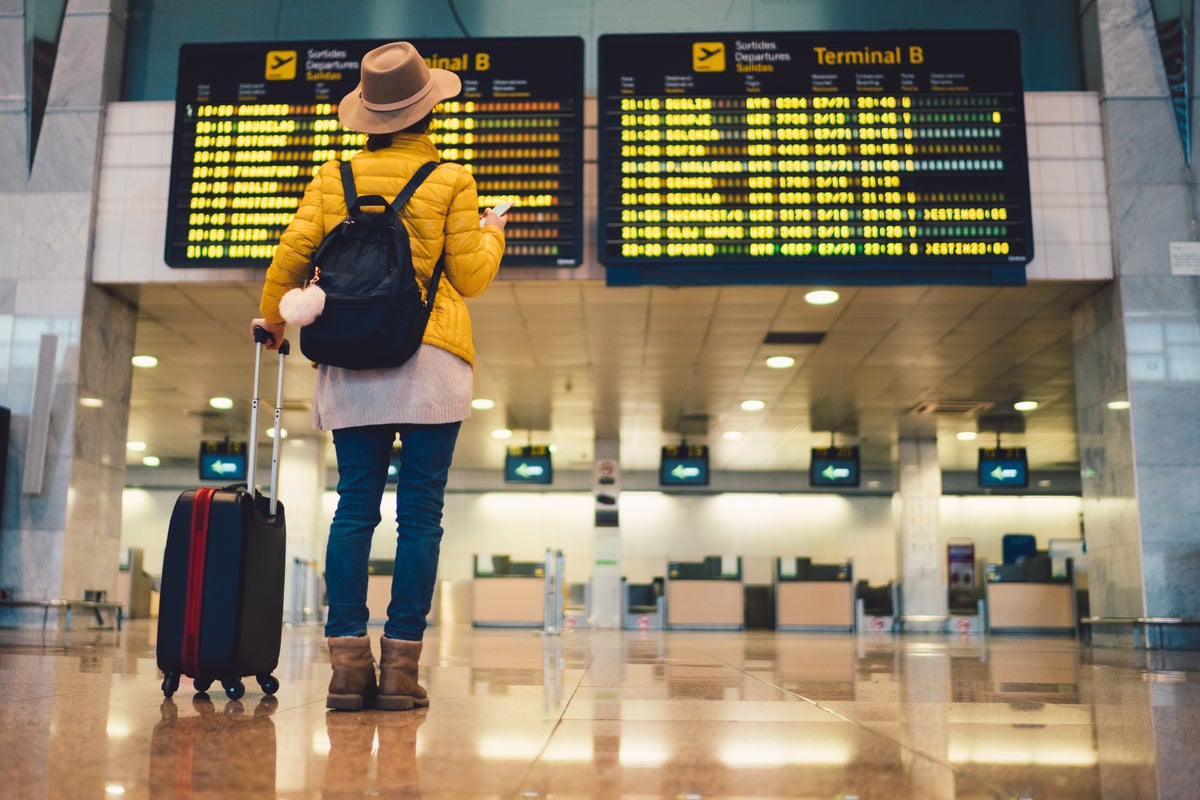
Travelling for the first time is exciting. You finally get the chance to explore new destinations, experience different cultures, try local foods, and create unforgettable memories. However, many first-time travellers make simple mistakes that can turn an enjoyable trip into a stressful experience.
In 2026, travel has become easier thanks to technology, digital booking platforms, and travel apps. Yet many travellers still face problems because they fail to plan properly or overlook important details. The good news is that most travel mistakes are completely avoidable.
This guide covers the most common travel mistakes first-time travellers should avoid in 2026. By learning from these mistakes, you can save money, reduce stress, and enjoy a smoother travel experience from start to finish.
Not Researching Your Destination Properly
One of the biggest mistakes new travellers make is booking a trip without understanding their destination.
Many people only look at attractive photos online and assume everything will be easy once they arrive. In reality, every destination has unique customs, transportation systems, weather conditions, and safety considerations.
Learn Local Rules and Customs
Before travelling, spend time learning about local traditions, etiquette, and laws. What is acceptable in one country may be considered rude or inappropriate in another.
Understanding local customs helps you respect the culture and avoid uncomfortable situations.
Check Weather Conditions
Weather can significantly affect your travel plans. Always check seasonal weather patterns before booking flights and accommodations.
Packing for summer only to arrive during unexpected rainstorms can quickly ruin your experience.
Overpacking Your Luggage
Many first-time travellers believe they need to pack for every possible situation. This often results in heavy bags filled with items that never get used.
Overpacking makes airport navigation difficult, increases baggage fees, and creates unnecessary stress throughout the trip.
Pack Versatile Clothing
Choose clothing that can be mixed and matched. Neutral colours and lightweight fabrics help create multiple outfit combinations without taking up extra space.
Follow the One-Week Rule
Even if your trip lasts several weeks, pack enough clothes for about one week and plan to do laundry if necessary.
This simple strategy can dramatically reduce luggage weight.
Ignoring Travel Insurance
Many travellers view travel insurance as an unnecessary expense. Unfortunately, this decision can become very costly when unexpected problems arise.
Flights can be cancelled, luggage can be lost, and medical emergencies can happen anywhere.
Travel insurance provides financial protection and peace of mind during your journey.
Instead of focusing only on the cost, consider the potential savings if something goes wrong.
Not Setting a Realistic Travel Budget
Budgeting mistakes are common among first-time travellers.
Many people focus only on flight and hotel costs while ignoring additional expenses such as the following:
- Transportation
- Food
- Attraction tickets
- Shopping
- Emergency expenses
- Internet access
- Local taxes
Create an Emergency Fund
Always reserve extra money for unexpected situations.
A good rule is to keep at least 15% to 20% of your travel budget as an emergency fund.
This financial cushion can help you handle unforeseen expenses without disrupting your trip.
Booking Everything at the Last Minute
While spontaneous travel can be exciting, waiting until the last minute often leads to higher prices and fewer choices.
Flights, hotels, and popular attractions may become expensive or completely unavailable.
Planning ahead allows you to:
- Compare prices
- Find better accommodations
- Secure attraction tickets
- Choose preferred flight schedules
Early planning usually results in a more affordable and organised trip.
Forgetting Important Travel Documents
Nothing ruins a trip faster than arriving at the airport and realising you’ve forgotten a critical document.
Before departure, verify that you have:
- Passport
- Visa (if required)
- Flight confirmations
- Hotel reservations
- Travel insurance documents
- Identification cards
Keep Digital Copies
Store digital copies of important documents on your phone and cloud storage.
If physical copies are lost, digital backups can save valuable time and reduce stress.
Trying to See Too Much in One Trip
Many first-time travellers create packed itineraries because they want to maximise every minute.
Although enthusiasm is understandable, rushing between attractions often leads to exhaustion.
Instead of visiting ten locations in two days, focus on fewer experiences and enjoy them fully.
A slower pace allows you to:
- Appreciate local culture
- Discover hidden attractions
- Enjoy meals without rushing
- Reduce travel fatigue
Remember that quality experiences are more valuable than checking items off a list.
Not Using Technology Wisely
Travel technology continues to improve in 2026, yet many travellers fail to take advantage of useful tools.
Travel apps can help with:
- Navigation
- Translation
- Currency conversion
- Flight tracking
- Accommodation management
Download Offline Maps
Internet access may not always be available.
Offline maps allow you to navigate unfamiliar cities without relying on mobile data.
This simple preparation can prevent confusion and help you reach destinations more efficiently.
Ignoring Personal Safety
Safety should always be a priority when travelling.
Many first-time travellers become distracted by sightseeing and overlook basic precautions.
Some essential safety habits include:
- Keeping valuables secure
- Avoiding poorly lit areas at night
- Staying aware of surroundings
- Using trusted transportation services
- Sharing your itinerary with family or friends
Being cautious does not mean being fearful. It simply means travelling responsibly.
Not Leaving Room for Flexibility
A detailed itinerary is helpful, but overplanning can create unnecessary pressure.
Travel rarely goes exactly as expected.
Flights may be delayed, weather conditions can change, and unexpected opportunities often appear.
Embrace Unexpected Experiences
Some of the best travel memories come from unplanned moments.
Whether it’s discovering a local festival, meeting new people, or exploring a hidden neighbourhood, flexibility often leads to unforgettable experiences.
Allowing free time in your schedule creates opportunities for adventure and reduces stress when plans change.
How Travel Trends Are Changing in 2026
The travel industry continues to evolve rapidly.
Modern travellers increasingly prioritise the following:
- Sustainable tourism
- Digital travel tools
- Remote work opportunities
- Personalized travel experiences
- Contactless services
Understanding these trends helps first-time travellers make smarter decisions and enjoy a smoother journey.
Travellers who stay informed are better prepared for changing regulations, technological advancements, and emerging travel opportunities.
Final Thoughts
Travelling for the first time can feel overwhelming, but avoiding common mistakes makes the experience far more enjoyable.
The most successful travellers are not those who spend the most money or visit the most destinations. They are the ones who plan wisely, stay flexible, and remain open to new experiences.
By researching destinations, budgeting carefully, packing efficiently, protecting important documents, and prioritising safety, you can avoid many common travel challenges.
As travel continues to evolve in 2026, preparation remains the key to a memorable and stress-free journey. Learn from these mistakes before you travel, and you’ll be ready to explore the world with confidence.
Frequently Asked Questions
1. What is the biggest travel mistake first-time travellers make?
The biggest mistake is inadequate planning. Failing to research destinations, transportation, and local customs often leads to avoidable problems.
2. How far in advance should I book my trip?
For most destinations, booking flights and accommodations two to six months in advance can provide better prices and availability.
3. Is travel insurance necessary in 2026?
Yes. Travel insurance can protect you from medical emergencies, trip cancellations, lost luggage, and other unexpected situations.
4. How can I avoid overpacking?
Pack versatile clothing, limit unnecessary items, and follow a packing checklist before departure.
5. Should I exchange currency before travelling?
It depends on your destination. Carry some local currency, but many places now accept digital payments and international cards.
6. How much emergency money should I carry?
Keeping 15% to 20% of your total travel budget for emergencies is generally recommended.
7. Are travel apps important for first-time travellers?
Yes. Travel apps help with navigation, translations, bookings, and itinerary management.
8. What documents should I always carry?
Carry your passport, identification, travel insurance details, reservation confirmations, and emergency contact information.
9. How can I stay safe while travelling?
Stay aware of your surroundings, secure valuables, use trusted transportation services, and share travel plans with someone you trust.
10. Is it better to have a strict itinerary?
A balanced itinerary works best. Plan key activities while leaving room for flexibility and unexpected opportunities.
